For years, the world of interior design was dominated by "sad beige" minimalism—clean, neutral, and perhaps a bit soul-less. But in 2026, we are seeing a vibrant rebellion. It’s called "Dopamine Decor," and it’s all about creating a space that triggers your brain's reward system.
🌈 What is Dopamine Decor?
Dopamine decor is an interior design trend that prioritizes joy, personality, and emotional well-being over strict aesthetic rules. Instead of asking "Does this look professional?", it asks "Does this make me happy?" It involves bold colors, whimsical patterns, and nostalgic items that spark immediate positive feelings.
🎨 How to Incorporate Dopamine Decor into Your Home
You don't need to repainting your entire house to embrace this trend. Here are the core pillars:
1. The Power of Color Therapy
Colors have a direct impact on our mood. Vibrant yellows (energy), soft pinks (comfort), and deep teals (creativity) are hallmarks of this style. Start with a "statement wall" or even just brightly colored throw pillows to see how your mood shifts.

2. "Cluttercore" with a Purpose
Unlike messy clutter, "curated clutter" involves displaying items that have personal meaning. Whether it’s a vintage vase found at a flea market or a quirky souvenir from your last trip, these objects act as visual anchors for happy memories.
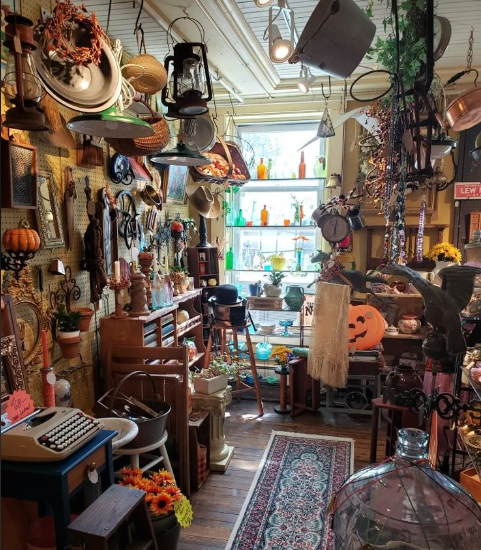
3. Mixing Textures and Patterns
Don't be afraid to mix a velvet sofa with a geometric rug. The tactile and visual stimulation keeps the brain engaged and curious, preventing the "boredom" that sometimes comes with stark minimalism.

🚀 Why Now? The Origins of the Dopamine Movement
Why has this explosion of color suddenly taken over our homes?
The roots of Dopamine Decor lie in a collective reaction to two major global shifts.
First, it is a post-pandemic liberation. After spending years confined within our homes, we grew tired of sterile, "zoom-background" ready minimalism. Our homes needed to be more than just functional; they needed to be soulful.
Second, it is a rebellion against "Sad Beige." For over a decade, social media pushed a perfectionist, neutral aesthetic that felt increasingly impersonal. Gen Z and Millennials are now reclaiming their spaces as tools for self-expression and emotional resilience.
In an unpredictable world, controlling your immediate environment to spark joy is a powerful form of self-care.