Today, we are diving into the escalating tension in the Middle East—specifically the conflict involving Iran and the potential closure of the Strait of Hormuz.
For investors, this isn't just a regional news story; it's a global macro event that dictates inflation, interest rates, and asset prices.
🚢 The Chokepoint: Why the Strait of Hormuz Matters
As of March 2026, the Strait of Hormuz is under intense scrutiny. Roughly 20% of the world's daily oil supply and a significant portion of LNG transit through this narrow passage. The recent military exchanges have led insurers to cancel "war risk" coverage, effectively halting commercial traffic. When the flow of energy stops, the global economy feels the "heart attack" almost immediately.
📈 Root Causes: Trump's 'Maximum Pressure 2.0' and Energy Hegemony
The current crisis is not a random occurrence but a result of deliberate geopolitical shifts under the Trump administration. Key drivers include:
- Maximum Pressure 2.0: President Trump has revitalized the strategy of crippling Iran’s economy to force concessions on their nuclear program, which reached critical levels in late 2025. This involves secondary sanctions that target any nation or entity trading with Iran.
- U.S. Energy Dominance: By maximizing U.S. shale production, the administration seeks to minimize domestic vulnerability to Middle Eastern shocks while leveraging the crisis to increase the global market share of American energy exports.
- Regional Realignment: Direct strikes on Iranian assets are intended to neutralize threats to Israel and solidify the "Abraham Accords" alliance, signaling that the U.S. will provide a firm military umbrella for its regional partners.
📉 Financial Impack: Stagflation Concerns Re-emerge
The immediate reaction has been a 10-13% spike in Brent Crude Prices, pushing toward the $82-$100 range.
For beginners, here is the simple logic:
- Higher Energy Costs → Increased production and transport costs.
- Inflation Pressure → Central banks (like the Fed) may delay interest rate cuts or even consider hikes to curb rising prices.
- Market Volatility → Uncertainty drives investors out of "risk assets" (stocks) and into "safe havens."
💰 Investment Strategy: Global Stocks to Watch
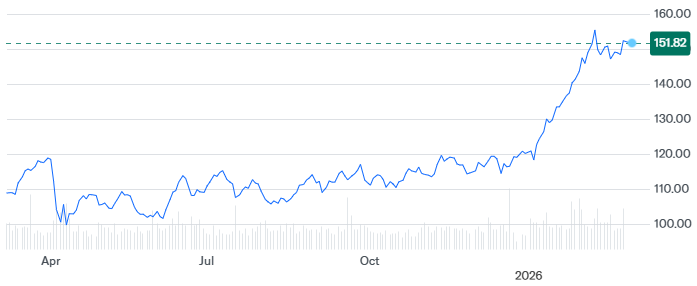
- Energy Giants: Companies with significant non-Middle East production.
- ExxonMobil (XOM), Chevron (CVX), Occidental Petroleum (OXY)
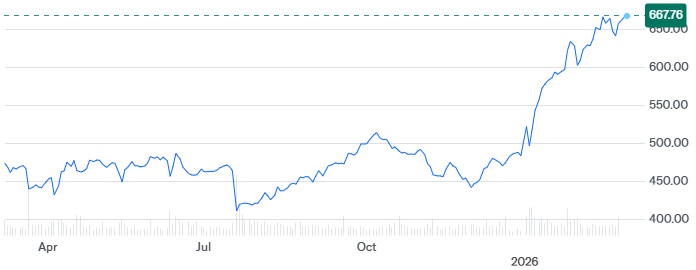
- Defense & Aerospace: Heightened regional tensions lead to increased defense spending.
- Lockheed Martin (LMT), Raytheon (RTX)
- Safe Havens: Gold and the US Dollar remain the ultimate shields.
- SPDR Gold Shares (GLD), Invesco DB US Dollar Index Bullish Fund (UUP)

A Final Thought
While we analyze these events through the lens of finance, we must not forget the human.
We sincerely hope for a swift and peaceful resolution to prevent further loss of life and ensure the safety of all civilians in the region.